Vulpecula
the Fox
Star chart
J2000the Fox
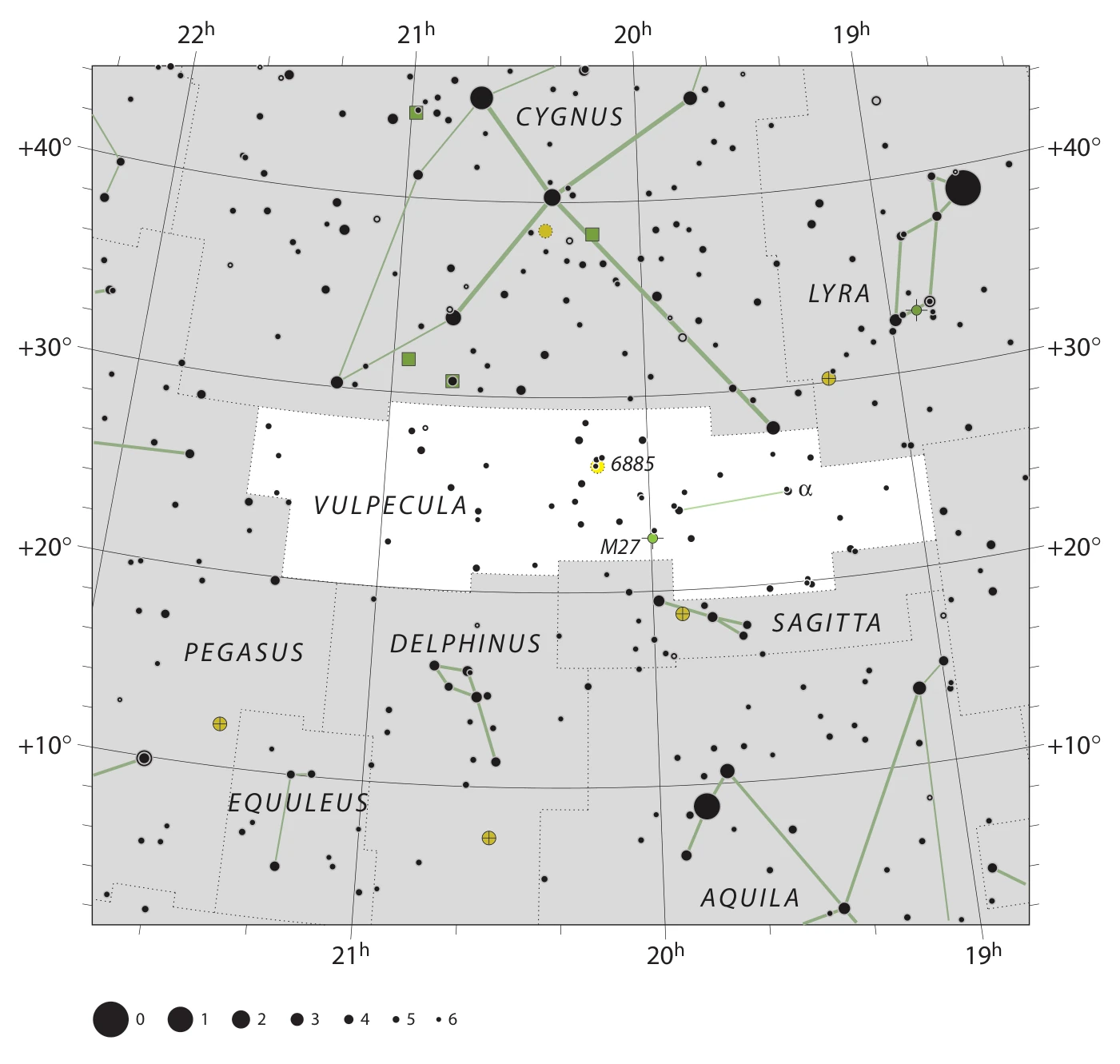
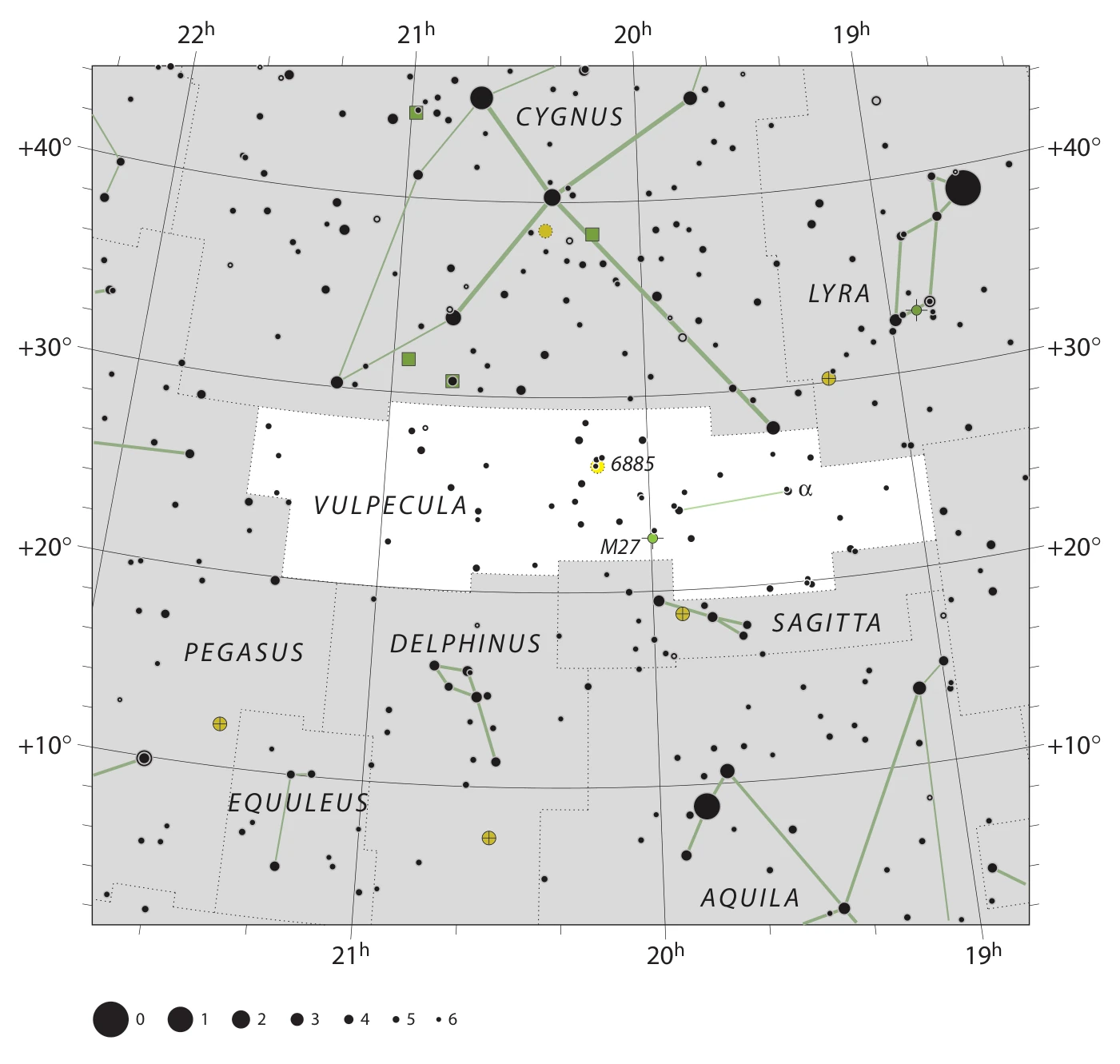
Fixed J2000 coordinates
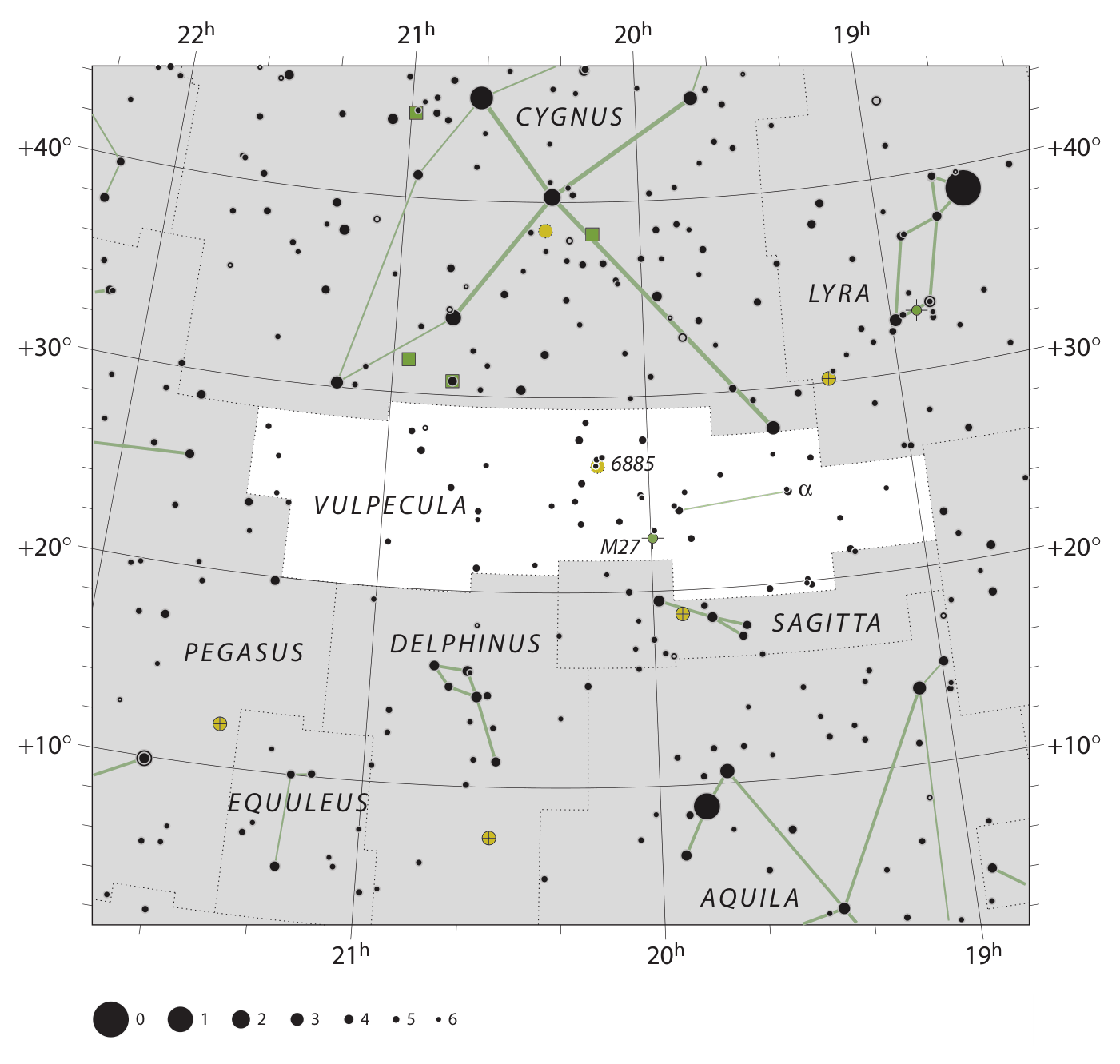
This image was made with reference to IAU charts.View IAU original · Opens in a new tab
Image downloads
How to read this chart
Dots mark stars, and their sizes indicate brightness. Stars appear dark on light charts and light on dark charts. Green lines show a constellation pattern. The surrounding grid gives right ascension and declination.

This is a fixed reference map, rather than a view of tonight’s sky.
Read the full chart guide →Boundary coordinates
The boundary marks a sky region; it is separate from the green star pattern. These files preserve ordered coordinate points in the J2000 reference system.
Vulpecula21 boundary pointsDownload TXT →
View coordinate format & sample
Right ascension uses hours, minutes and seconds. Declination is in degrees. Convert right ascension to degrees with 15 × (hours + minutes/60 + seconds/3600).
RA (h m s) | Dec (degrees) | Abbreviation
18 57 21.3919 | 21.2478352 | VUL
18 57 06.5189 | 25.6641407 | VUL
19 20 38.7153 | 25.7325745 | VUL
19 20 31.8351 | 27.7324085 | VUL
19 45 05.3283 | 27.8011742 | VUL
The 0h / 24h meridian is continuous. A coordinate jump there should not be treated as a straight line across a flat map.